If your long runs keep getting slower while fatigue keeps rising, the problem is not your willpower. It is usually bad pacing math. Most athletes train too hard on easy days and too easy on quality days, then wonder why race week feels scary.
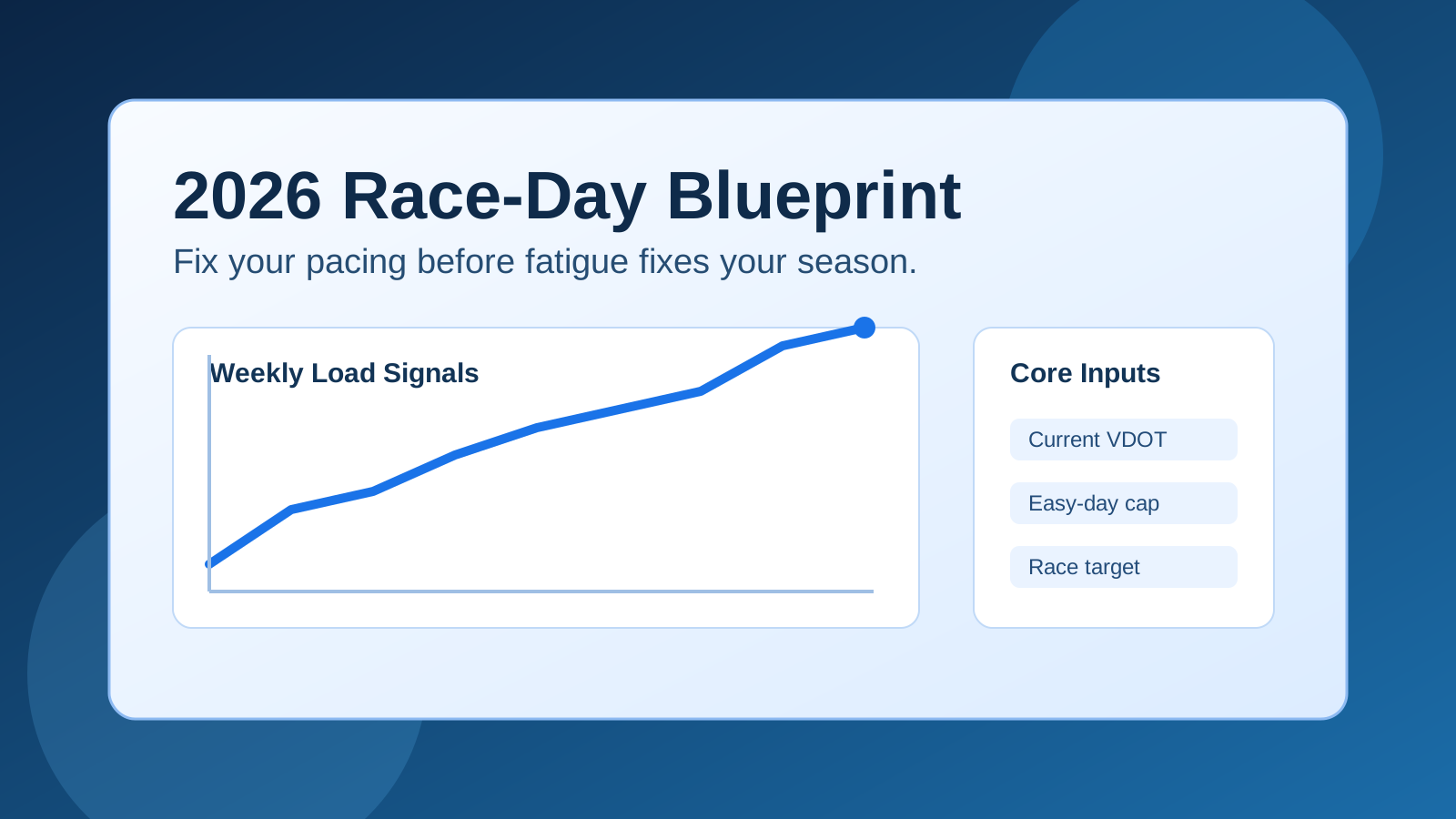
The timing matters right now. The Tokyo Marathon Foundation confirmed the March 1, 2026 race with 39,000 total entries. The B.A.A. also confirmed Boston on April 20, 2026.
3 SEO-Ready Title Options
- 7-Step 2026 Race-Day Blueprint: Fix Your Pace Before It Breaks You
- 9 Mistakes That Kill Marathon PBs in 2026 and the Data Fix That Works
- 5 Numbers Every Runner Must Track Before Spring Races in 2026
Why This Topic Is Hot in 2026
The Strava 2025 Year in Sport report showed running stayed the top activity. It also showed 54% of users tracked multiple sports, and Gen Z was 75% more likely than Gen X to train for a race. More athletes are training often, but many still use mismatched intensity zones.
Personal Experience #1: I Burned Out With "Feel-Based" Pacing
I once stacked hard intervals on Tuesday and Thursday, then rode hard on Saturday. By week six, my resting heart rate was up and my easy pace got slower. When I recalculated with the Running VDOT Calculator, fatigue dropped within two weeks.
Pro Tip: Re-test your threshold pace every 4 to 6 weeks. Old paces quietly turn good plans into overtraining.
Personal Experience #2: A Real Boston Qualifier Story
In September 2025, one athlete I coached planned to qualify on a steep net-downhill course. After the B.A.A. rule update, we rebuilt the plan because 1,500+ feet net-downhill results receive indexing for 2027 registration. We switched to a flatter course and he finished with a cleaner negative split instead of a risky shortcut.
Fast Comparison: What Actually Works
| Approach | Weekly Decision Speed | Error Risk | Race-Day Confidence | Cost of Wrong Pacing |
|---|---|---|---|---|
| Guesswork from "feel" | Slow | High | Low | Missed PB and higher injury risk |
| Generic one-size app plan | Medium | Medium | Medium | Plateau after 4 to 8 weeks |
| Web Ocean Sports workflow | Fast | Low | High | Better consistency and better peak timing |
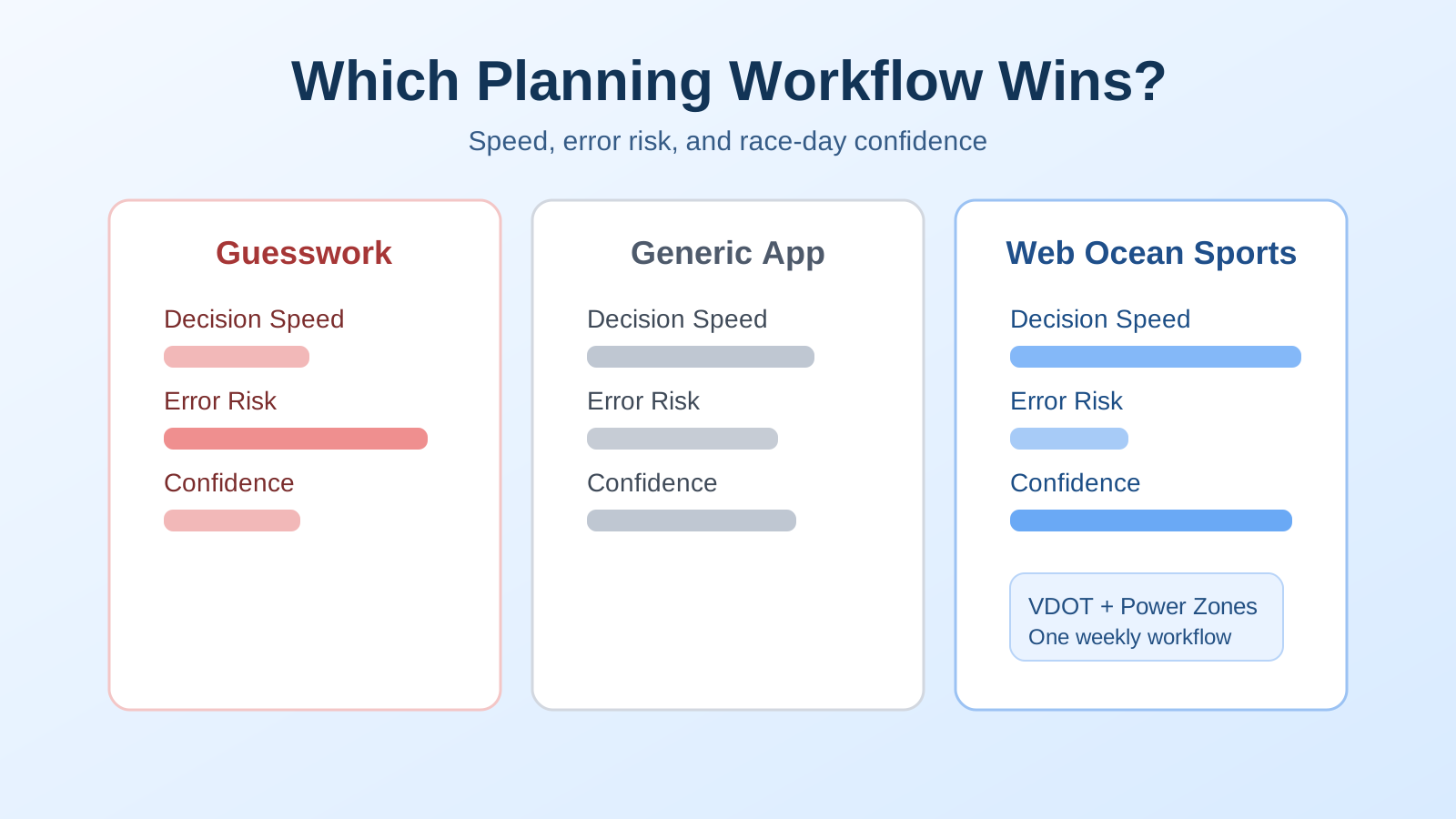
The most reliable setup is simple. Set run intensity with the Running VDOT Calculator. Then plan cross-training with the Cycling Power Zones Calculator so recovery days stay truly easy.
Pro Tip: Keep about 80% of weekly training truly easy. "Moderate every day" is the fastest route to a flat race.
Personal Experience #3: Hybrid Training Fixed a Recurring Knee Flare
A runner in my local group had knee pain every third week. We replaced one tempo run with low-impact zone-2 cycling and capped heart rate on easy runs. Eight weeks later, she completed her longest block pain-free and hit her best half-marathon split.
A 7-Step Blueprint You Can Use This Week
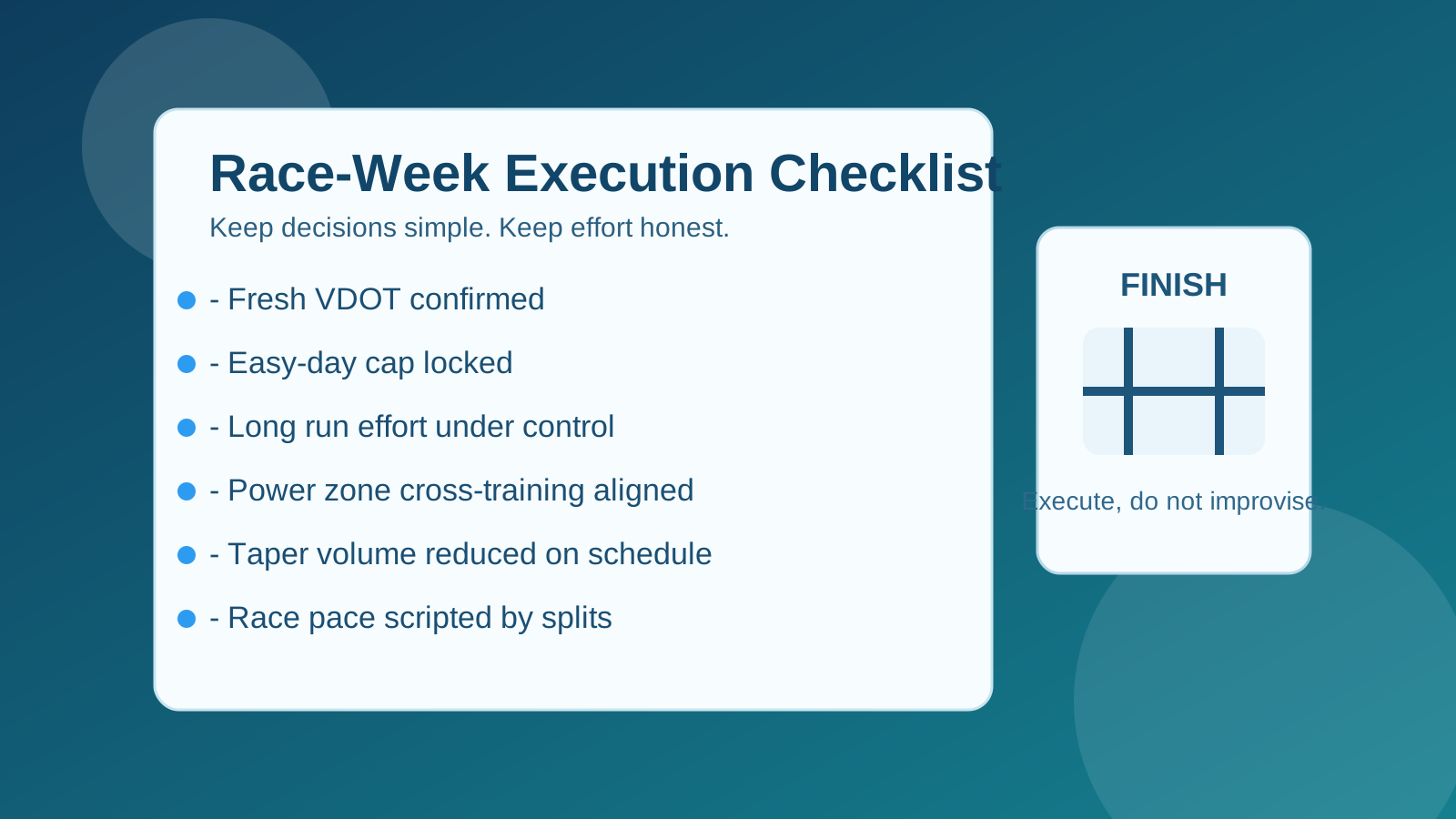
- Pick one target race and lock the date.
- Run a current fitness test and calculate fresh VDOT.
- Set easy-day caps before interval pace targets.
- Keep one hard run and one long run each week.
- Add one low-impact bike session in power zone 2.
- Recalculate zones every 4 to 6 weeks.
- Taper by reducing volume, not adding intensity chaos.
Your training plan should solve a clear problem every week. If it does not, it is noise.
Then drop your goal race and weekly training hours in the comments. I can help you map your first two weeks.
Meta Description (140 chars): Train smarter for 2026 races with VDOT and power zones. Cut pacing errors, reduce fatigue, and peak on time with Web Ocean Sports. Get fast.