If your Handicap Index jumps and you cannot explain why, the problem is usually not your swing. It is bad posting. One unchecked number can distort money games, match play, and your practice plan for weeks.
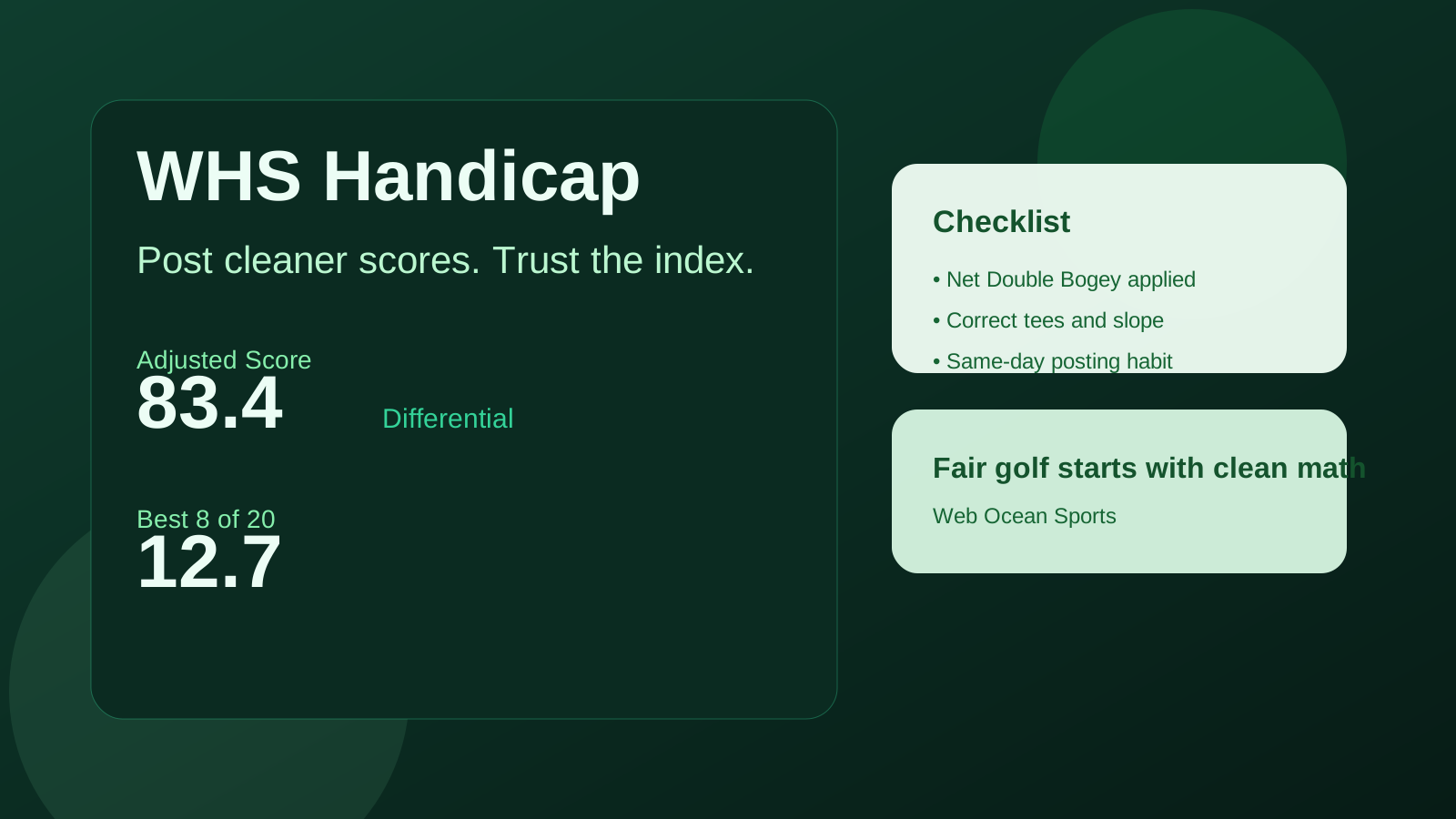
The confusion is understandable. The USGA's score-posting guide still surprises experienced golfers, and the USGA's March 4, 2025 article on Course Rating and Slope Rating showed how often players misread difficulty.
3 SEO-Ready Title Options
- 9 WHS Golf Handicap Mistakes Smart Players Still Make in 2026
- 7 Handicap Posting Errors That Quietly Inflate Your Index
- 5 Numbers Every Golfer Must Understand Before Trusting a WHS Handicap
Personal Experience #1: Net Double Bogey Cost a Weekend Match
I once watched a solid club player lose a Saturday Nassau before the first tee shot. He posted a blow-up hole at full value instead of adjusting to Net Double Bogey. His index crept higher, the match strokes changed, and the arguments lasted longer than the round.
Pro Tip: If a hole goes sideways, stop and check your Net Double Bogey limit before you post. Emotion is the fastest way to log a bad score.
The Four Numbers That Actually Matter
Most golfers talk about gross score. WHS cares about context. That means Course Rating, Slope Rating, adjusted score, and your recent best differentials.
| Input | What it does | Common mistake | Better move |
|---|---|---|---|
| Adjusted Gross Score | Removes disaster-hole noise | Posting the full snowman or worse | Apply Net Double Bogey first |
| Course Rating | Measures expected score for a scratch player | Ignoring it on unfamiliar courses | Read the card before the round |
| Slope Rating | Shows how much harder a course is for a bogey golfer | Treating all 85s as equal | Compare the course, not just the total |
| Best 8 of 20 | Protects potential, not average form | Averaging every round in your head | Use a proper calculator or GHIN |
If you want a fast sanity check, start with the Golf Handicap Calculator. If you want the full seasonal checklist, pair it with the newer 2026 handicap audit guide.
Personal Experience #2: A Resort Course Taught Me Humility
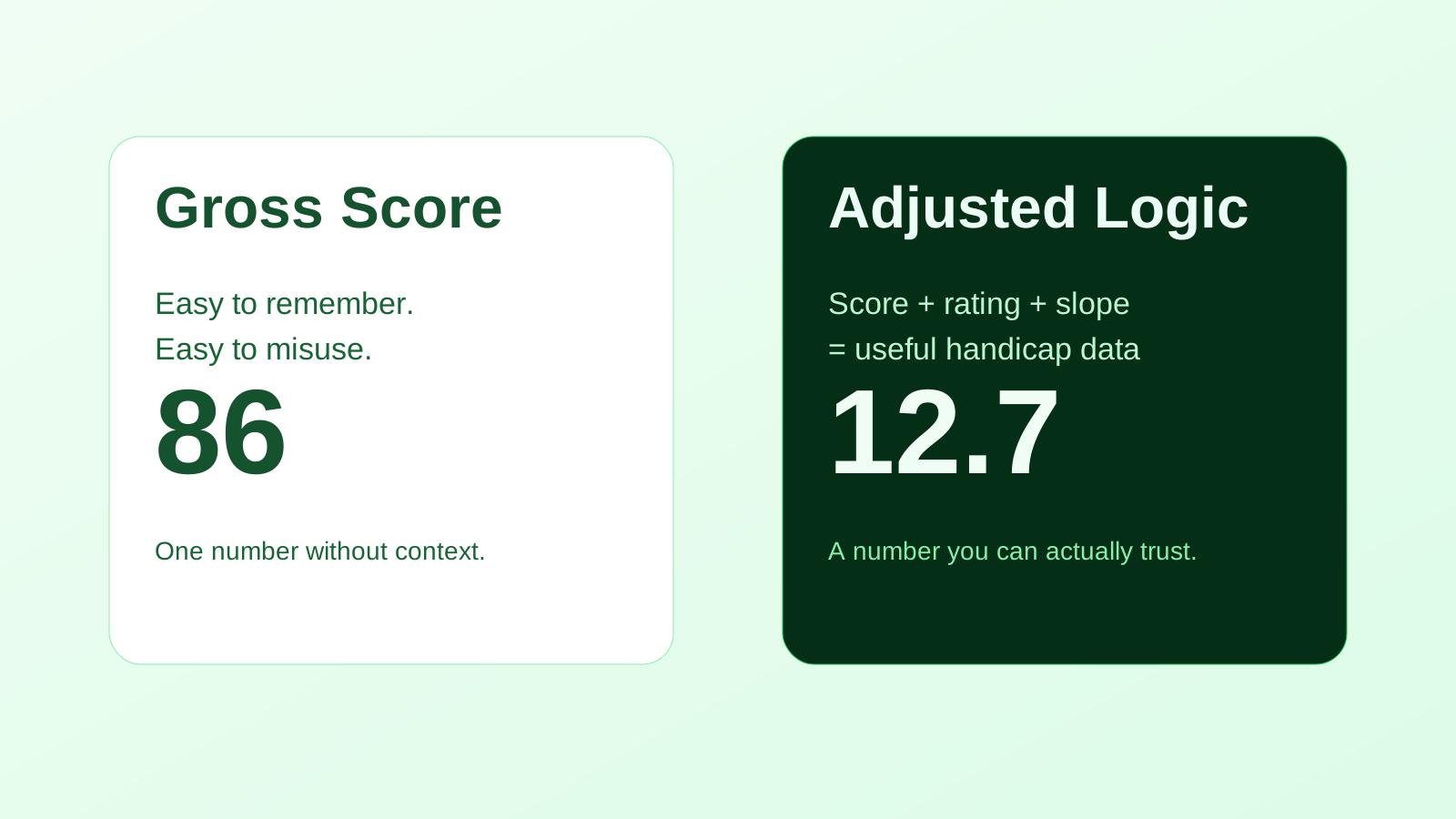
A few summers ago, I shot what felt like a tidy 86 on a pretty resort course. I expected my number to hold steady. Instead, the differential came back worse than an 89 I had shot on a tougher layout at home.
That was the day Slope Rating stopped being abstract. Easy-looking golf can still be expensive golf if the setup flatters the eye and punishes misses.
Why Pen-and-Paper Logic Fails Late in the Season
Golfers usually make two mistakes when they self-calculate. They forget an adjustment. Or they rely on memory after a streak of emotional rounds.
The website hook here is simple: remove friction. When you can open one clean tool, enter the round details, and get the WHS logic instantly, you stop guessing and start training with reliable feedback.
Pro Tip: If you cannot explain why your index moved after a round, do not post a second score until you audit the first one. One bad entry often creates a second bad decision.
Personal Experience #3: Correct Strokes Won the Bet
In a friendly four-ball, one player assumed we should all use the same stroke allocation as last month. We checked the current indices instead. That tiny pause changed three holes of stroke distribution and probably saved an awkward group chat later.
That is the part casual golfers underestimate. Accurate handicaps are not bureaucracy. They are fairness.
If your goal is better matches and better trend tracking, trust the math before you trust the vibe.
Then tell me in the comments which number confuses you most: Course Rating, Slope Rating, or Net Double Bogey.
Meta Description (140 chars): Learn the WHS handicap mistakes golfers still make in 2026, fix posting errors quickly, and build an Index you can explain and trust weekly.